

Deck Sanding & Oiling Bunbury
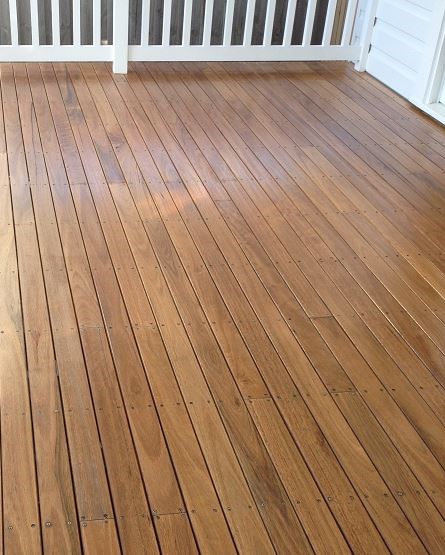
Beaches Timber Floors offer a complete range of deck treatments across the Bunbury Greater Region and the South West, WA, including professional deck sanding and deck oiling. Over time, outdoor decks are exposed to sun, rain, and foot traffic, which can cause the timber to fade, crack, or lose its natural beauty. Regular maintenance such as re-sanding and oiling is essential to protect your deck from damage, restore its colour, and extend its lifespan. Whether you’re looking to refresh a tired, weathered deck or keep a newer one in top condition, our expert team provides tailored solutions to bring out the best in your outdoor space. So how do you know when it’s time to do a refresh of your deck?
How to Tell If Your Deck Needs Sanding or Just Oiling
Most decks don’t need full sanding before oiling. If the timber is just weathered or grey, a proper clean and prep can restore it effectively. Sanding is only necessary for rough, damaged, or uneven boards. The key is using the right prep method to avoid patchy finishes and ensure long-lasting oil absorption.
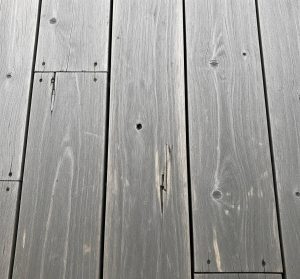
Grey, weathered boards
If your deck has lost its rich colour and looks dull or aged, it’s a clear sign it needs sanding and oiling.
Splintering or cracks
Rough, cracked boards not only look worn but can also be uncomfortable or unsafe underfoot.
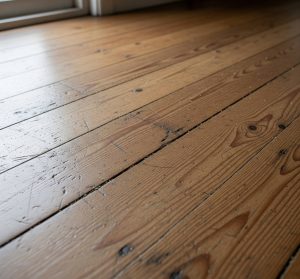
Stains or colour changes
Discolouration or uneven staining means the timber is no longer properly protected.
Loose or bowed boards
Movement in your deck indicates wear and weak spots that should be addressed before they worsen.
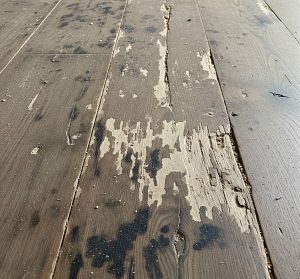
Signs of rot
Check both above and underneath the boards where possible; rotting timber needs immediate attention.
Mould, mildew, or surface dirt
If you notice black spots, slippery patches, or stubborn dirt, it’s time for a professional clean and oil.
What’s Involved in Professional Deck Sanding & Oiling
When it comes to deck restoration, preparation is everything. At Beaches Timber Floors, we follow a thorough process to make sure your deck not only looks great but is also protected for years to come. Here’s what’s involved:
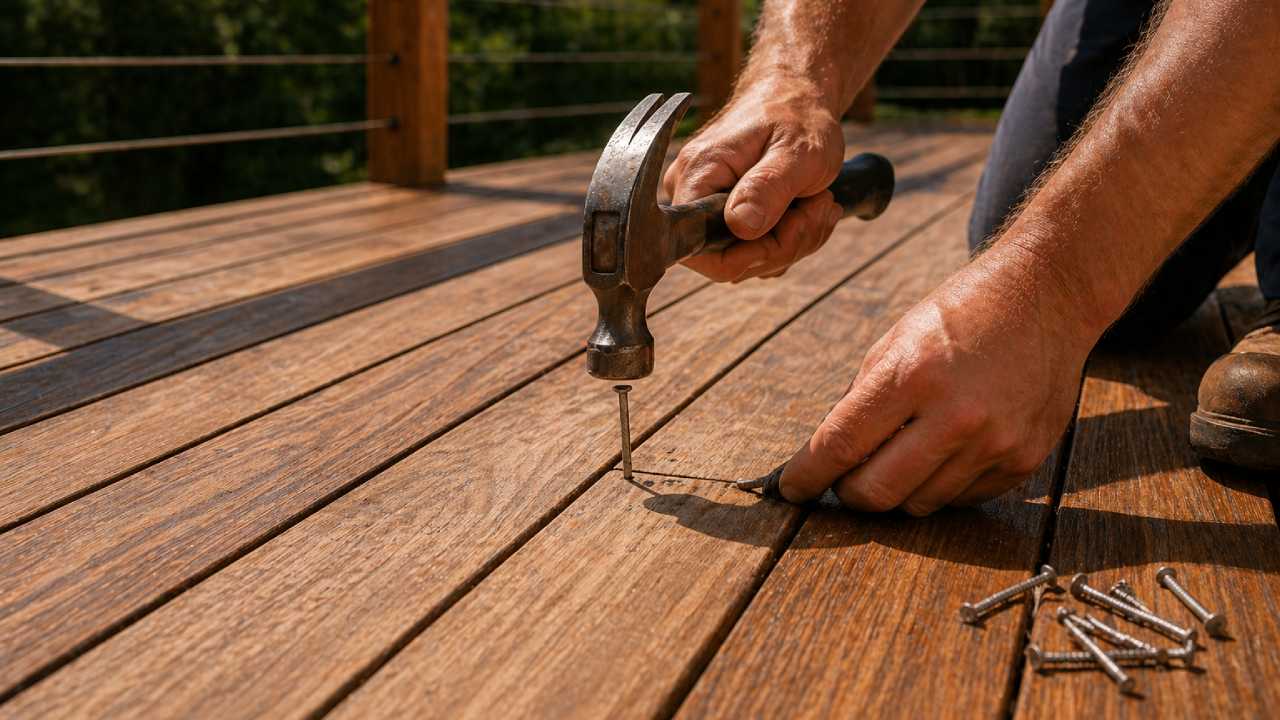
Step 1: Preparing the surface
We start by resetting any protruding nails or screws and securing loose boards to ensure the deck is safe and stable.
Step 2: Professional deck sanding
Using high-quality sanding equipment, we remove the old finish, dirt, and weathered timber on the surface. This step smooths out rough patches, splinters, and imperfections, giving your deck a fresh, clean base.

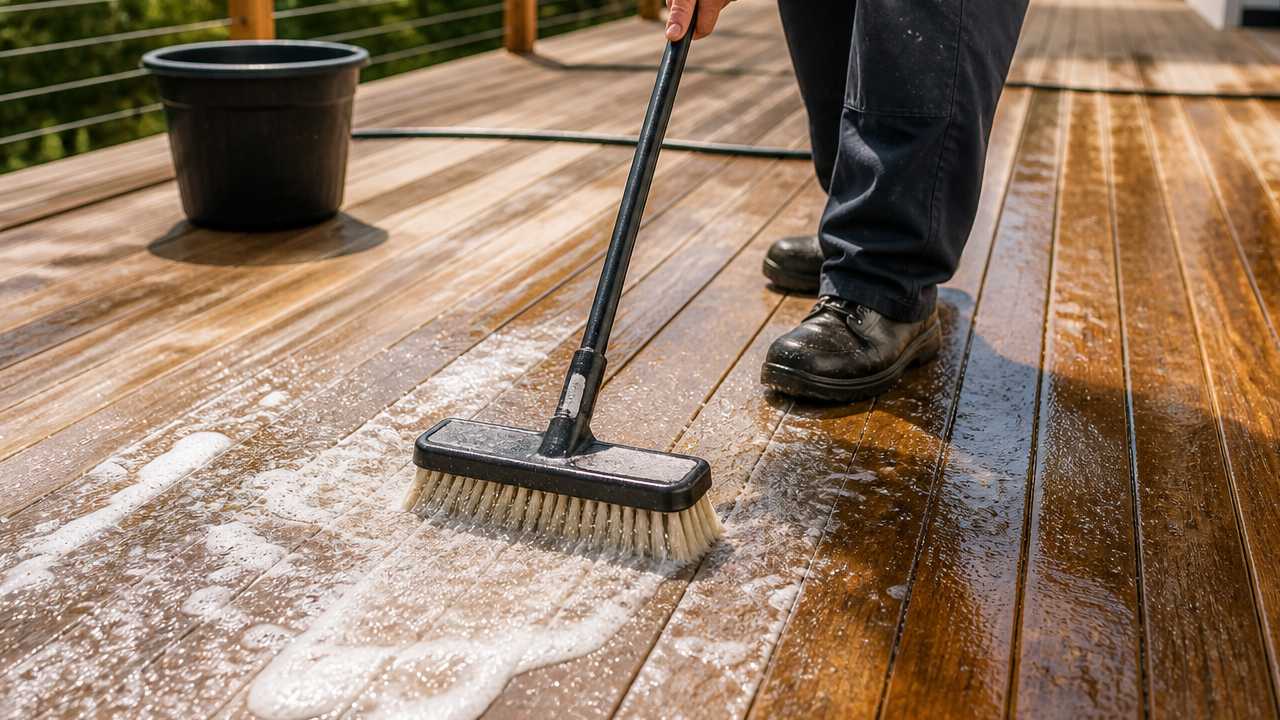
Step 3: Washing and cleaning
The deck is thoroughly washed down to remove dust, debris, and any remaining residue, ensuring the surface is ready to absorb the oil evenly.
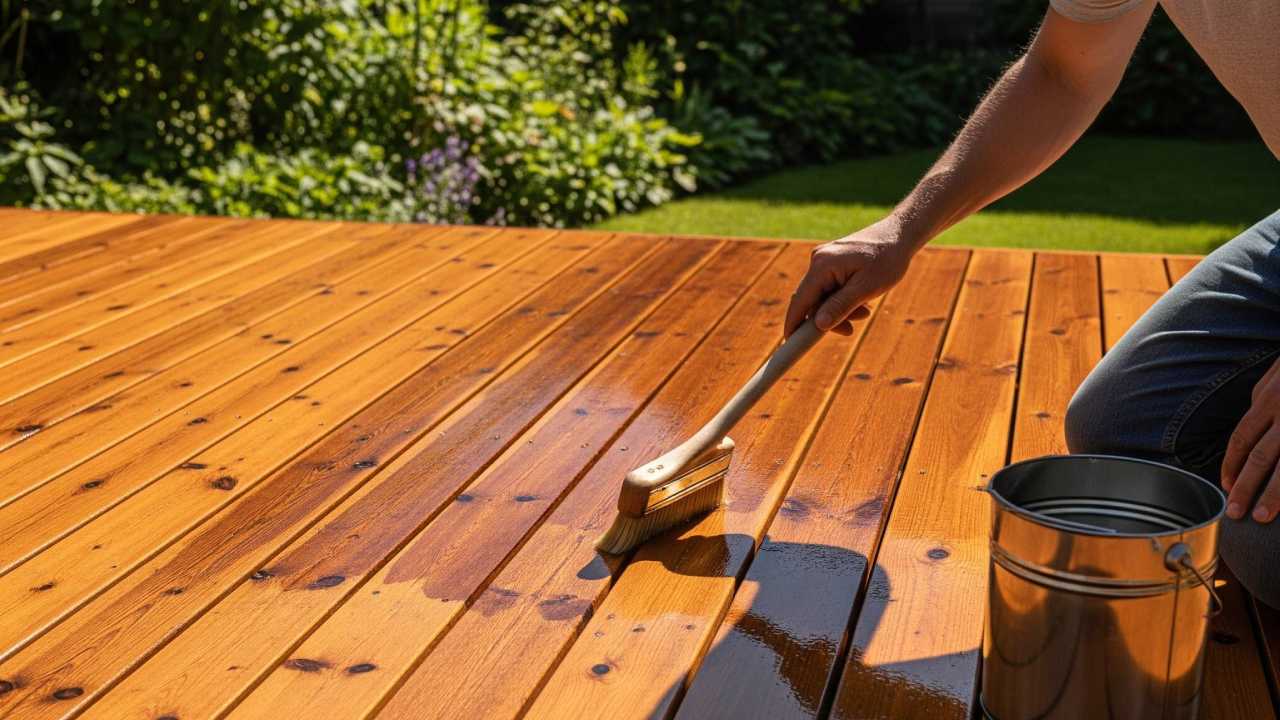
Step 4: Applying premium deck oil:
Finally, we apply high-quality deck oils designed to penetrate the timber, enhancing its natural grain while providing protection against UV rays, moisture, and everyday wear.
For a free measure and quote for your deck sanding or oiling in the Bunbury Greater Region and the South West, WA. area call us today - 0401 184 444 or email us
Other Timber Floor & Deck Services:
- Wood washing service
- Timber floor repairs and staining
- Timber floor repairs & sanding
- Timber stair sanding & staining
- Staining and wood washing floors
- Carpet & tile removal
- Timber floor installation
Deck Sanding & Oiling FAQs
Not always. If your deck is structurally sound and just faded, cleaning may be enough. Sanding is only required when the surface is rough, splintered, or coated with failing finishes.
Only if the surface isn’t properly prepared. A well-cleaned deck can absorb oil evenly without sanding, but uneven or damaged timber may still require it.
Patchiness usually comes from inconsistent prep. Mixing sanded and unsanded areas or poor cleaning can cause uneven oil absorption.
Yes, but only when done correctly. Too much pressure can damage the timber grain. Controlled cleaning is essential for a good result.